You can build the best fire structure in the world and still end up at 9 PM watching a pile of damp wood smoke and hiss while your hot dogs go cold. The structure isn't your problem. The wood is. Here's what separates firewood that works from firewood that wastes your night.
What "seasoned" actually means
Seasoning is the process of drying cut firewood until its internal moisture content drops to a level that allows it to burn efficiently. Freshly cut — "green" — wood can contain up to 50% water by weight. You cannot burn water. What actually happens when you try is that the fire has to boil that water off first, which:
- Steals heat from the combustion process, keeping the fire cool.
- Produces massive amounts of smoke — visible, acrid, eye-watering gray-white smoke that is mostly steam carrying off partially combusted byproducts.
- Creates creosote, which coats chimneys and fire pit walls and, over time, becomes a legitimate fire hazard.
- Fails to make good coals, so everything downstream — cooking, s'mores, the slow burn — doesn't work.
Seasoned firewood, by contrast, has been split and stacked under cover for at least six to twelve months. Ideally longer. Its moisture content is below 20%. It lights readily, burns hotter, produces minimal smoke, and makes a proper bed of coals.
Moisture content, by wood state
- Fresh-cut (green)45–50% water
- After 3 months~30–35%
- After 6 months~22–28%
- After 12 months15–20% (properly seasoned)
- Kiln-dried10–15%
How to tell at a glance
You can sometimes identify seasoned vs. green firewood without a moisture meter. Look for:
- Color. Seasoned wood is gray-brown or faded; green wood looks fresh, lighter-colored, often with a yellow or pink tinge on the split face.
- Cracks in the end grain. Seasoned wood shows radial cracks ("checks") spreading from the center outward — a sign that the wood has shrunk as it dried. Green wood has smooth, uncracked end grain.
- Weight. Seasoned wood is noticeably lighter than green wood of the same species and size. You can feel the difference in your hand if you have both to compare.
- Bark. On seasoned wood, bark is often loose or falling off. On green wood, it's still firmly attached.
- Smell. Green wood smells strongly of sap and fresh-cut wood. Seasoned wood has a more neutral, mellow smell — almost dusty.
The baseball bat test
Hold two splits, one in each hand. Knock them together. Seasoned wood sounds like a baseball bat — a sharp, hollow, almost musical tock. Green wood sounds dull — a muted thud, like hitting a wet log with another wet log.
This test is remarkably reliable. Once you've heard the difference a few times, you can sort a whole stack in about ten seconds.
A good split of seasoned oak rings like a xylophone key. A green one thuds like it's still upset about being cut.
The hardwood hierarchy
Different species burn differently, even when properly seasoned. Here’s a general guide to what you might find in a local firewood order.
Oak
The gold standard. Dense, long-burning, produces excellent coals. Takes longer to season than most woods (18–24 months is ideal) but worth the wait. The most common firewood in the Hocking Hills because the hills are full of it.
Hickory
Even denser than oak. Burns hotter, longer, and with a sweeter smoke that's excellent for cooking. Hard to come by in bulk because it grows slower.
Cherry
Medium density, seasons quickly (often in under a year), burns clean and produces a faintly sweet-scented smoke. Beautiful flame color. Smaller supply in this region but worth buying when you find it.
Maple (hard maple / sugar maple)
Solid all-around firewood. Burns well, produces decent coals, seasons in about a year. Softer than oak but perfectly usable.
Ash
Historically one of the best firewoods in the region — seasons fast, burns clean — but populations have been devastated by the emerald ash borer, so ash is now often sold as "beetle-killed" wood. Still excellent to burn. Often available cheaper because of the supply situation.
Woods to avoid or use carefully
- Pine and softwoods. Burn fast with lively flame — great for getting a fire going and for shorter campfire sessions. Mixed into an order with denser species, they help the fire light quickly.
- Poplar and basswood. Low heat output, burn fast. Usable but not ideal.
- Elm. Notoriously hard to split and slow to season. Not beginner-friendly.
- Osage orange ("hedge"). Burns extremely hot — so hot it can damage fire rings and makes small campfires feel like a forge. Use in large fires only.
The Ohio transport rule (this is actually law)
Since the mid-2000s, Ohio has had active quarantine and transport restrictions on firewood because of the emerald ash borer — an invasive Asian beetle that has killed tens of millions of ash trees across the United States. The beetle travels in firewood. Every time a traveler brings a bundle of wood from home, there's a chance they're also bringing the beetle.
The rules, simplified:
- Don't bring firewood into Ohio from out of state.
- Don't move firewood long distances within Ohio — the USDA and Ohio Department of Agriculture recommend keeping wood within 50 miles of where it was cut.
- Buy local or buy heat-treated. USDA-certified heat-treated firewood is labeled and legal to transport anywhere.
For a Hocking Hills cabin trip, the rule is straightforward: buy your firewood from a Hocking County or adjacent-county supplier. The state park camp store, local grocery stores, farm stands, and local delivery services all meet that standard.
The emerald ash borer has killed an estimated 40 million ash trees in Ohio alone. Every ash tree you see still standing in the Hocking Hills has survived an ongoing ecological catastrophe. The transport rules aren't bureaucratic — they're the one thing slowing the spread to the trees that remain.
Storing wood at a cabin
If you bought a week's worth of wood ahead of your cabin stay (or we delivered it and stacked it), you want to keep it in good shape for the trip:
- Off the ground. Stack on pallets, cinder blocks, or rails. Wood touching bare earth absorbs moisture from below.
- Under cover, but ventilated. A tarp over the top, open on the sides. A full wrap traps moisture in.
- Split face down. When stacking, orient split sides down so water runs off rather than soaking in.
- Away from the cabin itself. Both for fire safety (embers) and for pest reasons (wood piles attract mice, spiders, and termites).
The honest summary
Seasoned hardwood makes the difference between a cabin weekend that goes smoothly and one that spends Friday night in a frustrating smoke cloud. Every other variable — the pit, the structure, the kindling technique — matters less than this one. Start with good wood. Everything downstream works better.
We deliver free across Rockbridge, Logan, and Sugar Grove. Every split is properly seasoned firewood from local Hocking County sources, cut at least a year ago, stored under cover, ready to burn clean. No green wood. No half-dried mystery bundles. Every split inspected before it goes out.
For the cabin itself, Hocking Cabins helps you find the right one. For the trails that lead you back to the fire ring at dusk, Hocking Hikes has the guides. For the bigger picture — the geology, the history, why the hills look the way they do — Rockbridge Ohio SolarCabin is the long read.
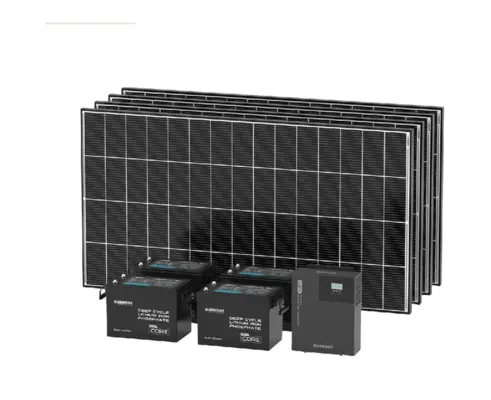 Renogy Cabin Solution — Complete Off-Grid Solar Kit →
And for the wood that makes the night actually work — text us. We'll have it stacked before you arrive.
Let us handle the wood.
Hand-inspected, properly seasoned firewood — split, stacked, and delivered free across Rockbridge, Logan, and Sugar Grove.
Text to Order